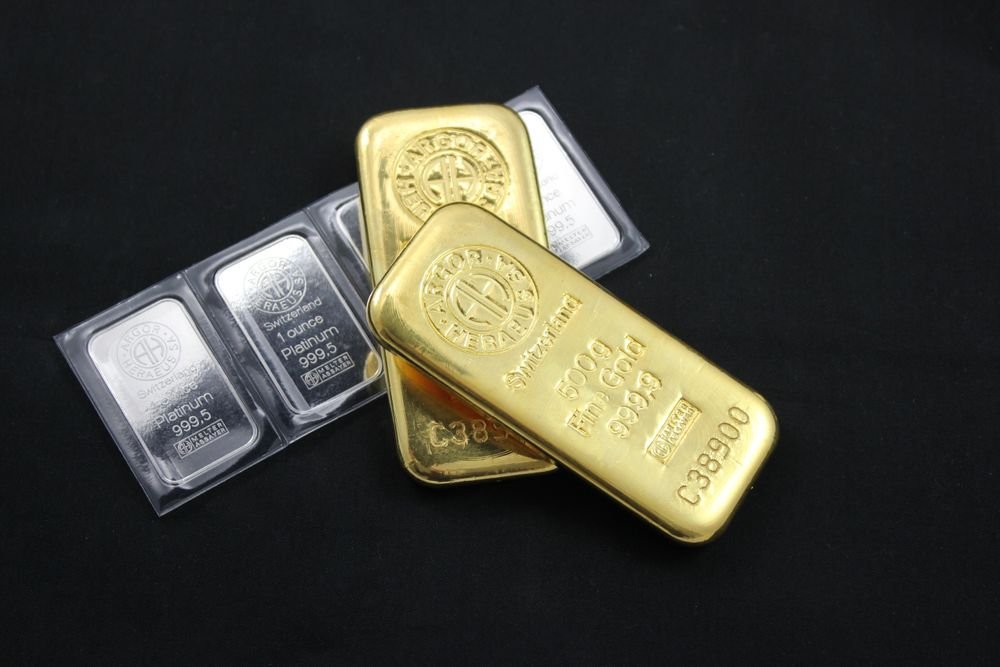
People come in with a bag from a relative’s house and one question. What is this worth. It is a reasonable question with an annoying answer, because “worth” means at least three different numbers depending on why you are asking.
Sorting that out first saves everybody time.
Three kinds of value
Replacement value is what it would cost to buy something comparable at retail today. This is the number your insurer wants, and it is the highest of the three. An appraisal written for insurance is not telling you what anyone will pay you.
Fair market value is what a willing buyer and a willing seller would agree on, both being under no pressure. This is the number for estates and for splitting things between family. Usually well below replacement.
Liquidation or scrap value is what you get today, in cash, from somebody who is going to melt it or resell it. Lowest of the three, and for most inherited jewelry it is the honest number.
When people are unhappy with an offer, nine times out of ten it is because they have an insurance appraisal in one hand and a scrap offer in the other, and nobody explained that those measure different things.
What gold is actually worth
The arithmetic is not a secret and you should be able to follow it.
Weight, times purity, times the spot price, minus a margin for refining and handling. That is the whole calculation.
Purity comes off the karat stamp. Ten karat is 41.7 percent gold. Fourteen karat is 58.3. Eighteen karat is 75. So a fourteen karat chain weighing twenty grams holds a little under twelve grams of actual gold, and the rest is alloy that nobody is paying you for.
The trade here still often quotes in pennyweights rather than grams. One pennyweight is 1.555 grams. If somebody gives you a per-pennyweight price and you are thinking in grams, the number will look better than it is. Ask which unit they mean.
Then the margin. A buyer has to pay the refiner, cover the spread while the metal is in transit, and make something. Anyone offering you full spot is doing arithmetic you should ask about.
When you want a written appraisal
You need one for insurance, for an estate, for a divorce, and sometimes for a donation. You do not need one to sell a plain gold chain, and paying for an appraisal on scrap is money spent to find out what a scale would have told you.
Where a real appraisal earns its fee is on anything with stones, on signed pieces, and on older work. A diamond that grades one color notch differently changes the number by a lot. Signed pieces from a known maker can be worth several times their material value, and I have seen people sell those for melt because nobody looked at the clasp.
Appraisals for insurance should be written by someone with credentials you can check. Look for GIA training, or membership in a body like the American Society of Appraisers or the National Association of Jewelry Appraisers. Ask which value the document is stating. It should say so on its face.
Before you sell anything
Separate the pieces by karat stamp. Set aside anything with stones, anything signed, and anything you have not looked at closely.
Weigh it yourself if you have a kitchen scale. You are not aiming for precision, only for a rough figure so you know whether the weight quoted back to you sounds right.
Get more than one offer. This is standard advice and people still skip it.
And do not clean anything. Old finishes and patina are part of what an appraiser reads, and a polish can take value off a piece in about a minute.
How we handle it
We weigh and test in front of you, at the counter, and the numbers go on paper before anybody talks about price. If a piece is worth more than its metal, I will say so even when you came in to sell it for scrap, because that is the only version of this business that lasts three generations.
Shirley Avenue in Euclid, no appointment needed for a valuation.